
Home staging is a professional method of preparing and presenting a real estate property for sale. This technique aims to optimize the appearance and appeal of a property to attract as many potential buyers as possible. The process involves several stages, including decluttering, depersonalization, space reorganization, and sometimes minor renovation work.
The main objective of home staging is to create a neutral and welcoming environment, allowing visitors to easily envision themselves in the space. This approach highlights the property's strengths while minimizing its potential weaknesses. Statistics show that home staging can reduce time on the market and potentially increase the sale price.
Originating in the United States in the 1970s, home staging gradually spread to Europe and Canada. Today, this practice is widely adopted by real estate professionals and private homeowners. It applies to various types of properties, from studio apartments to single-family homes, including luxury properties.
Home staging techniques vary depending on the property's characteristics and target market, but generally include furniture rearrangement, improved lighting, color neutralization, and space optimization. These interventions aim to create a positive and lasting first impression on potential buyers.
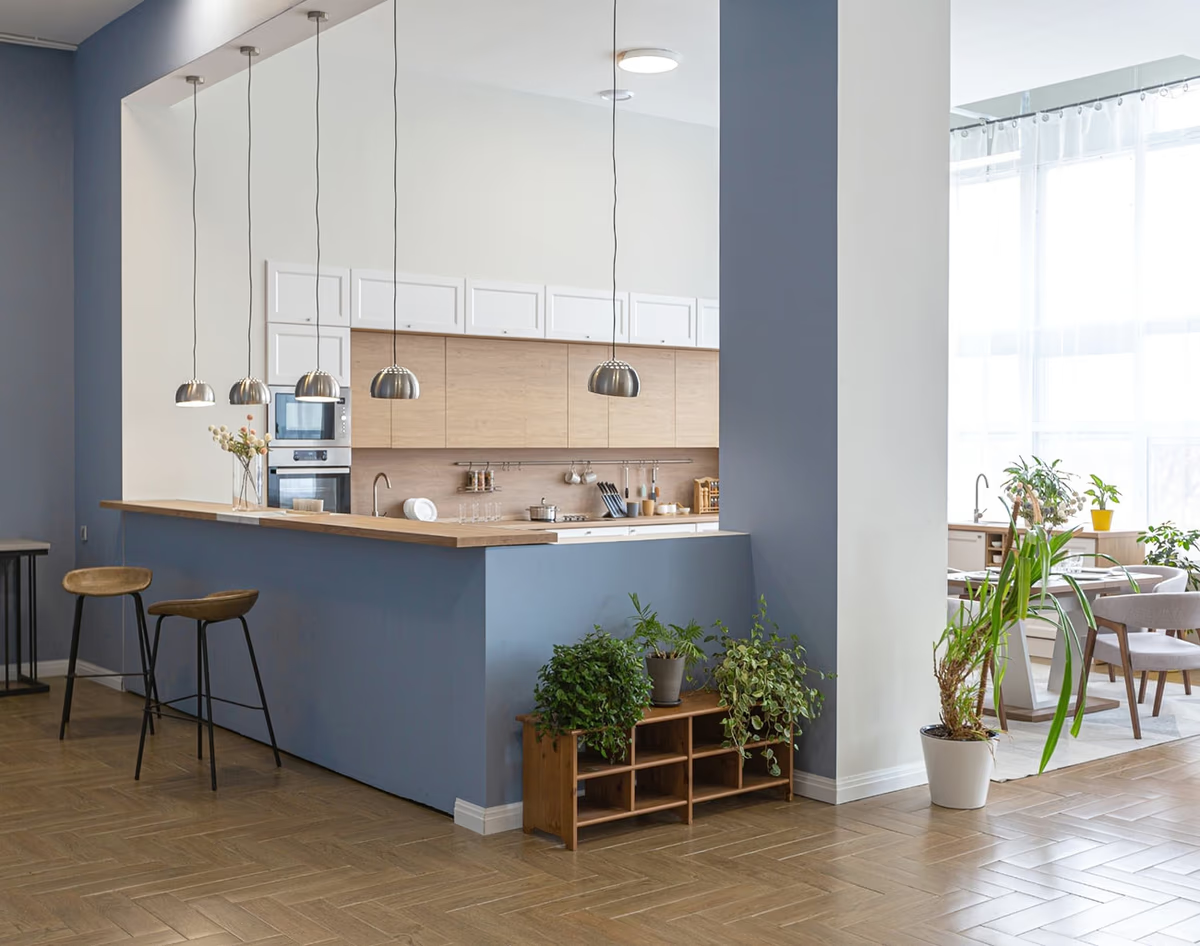
Summary
Home staging is the art of enhancing a real estate property by making it more attractive to potential buyers.
The advantages of home staging for selling a house include increased perceived value, faster sales, and better return on investment.
Home staging techniques and tips include decluttering, deep cleaning, fixing minor defects, and highlighting the house's strong points.
When choosing colors and furniture for home staging, it is important to prioritize neutral tones and opt for quality furniture in good condition.
Staging outdoor spaces for better appeal involves maintaining the garden, setting up garden furniture, and creating welcoming relaxation areas.
Mistakes to avoid when home staging include overcrowding the space, neglecting lighting, and leaving visible traces of daily life.
Working with a home staging professional can be beneficial to obtain personalized advice and optimal results.
The advantages of home staging for selling a house
Home staging presents numerous advantages for selling a house. First and foremost, by enhancing spaces and creating a warm and neutral atmosphere, home staging can inspire love at first sight in potential buyers. Indeed, a well-presented house makes visitors want to envision themselves there and can encourage them to make an offer.
Moreover, home staging allows you to highlight the property's assets, such as natural light, space, and room functionality, which can lead to a faster sale. Additionally, home staging can also allow the seller to obtain a better price for their property. By creating an attractive environment, home staging can give buyers the impression that the house has been well-maintained and is worth the asking price.
Furthermore, by minimizing potential property defects, home staging can help justify the asking price. Finally, a well-presented house can stand out on the real estate market and attract more potential buyers, which can also help obtain a better price.
Home staging techniques and tips
Home staging is based on different techniques and tips aimed at enhancing a real estate property. First, it is important to start by decluttering spaces. Indeed, a cluttered house can appear smaller and less attractive.
It is therefore essential to organize and remove unnecessary items from rooms. Next, it is recommended to thoroughly clean the house to present it in impeccable condition. This includes cleaning floors, windows, walls, and decorative elements.
Furthermore, home staging also involves rearranging furniture to optimize space and flow in rooms. It is about creating a harmonious and balanced atmosphere, ensuring that each room has a clearly defined function. Finally, decoration plays an essential role in home staging.
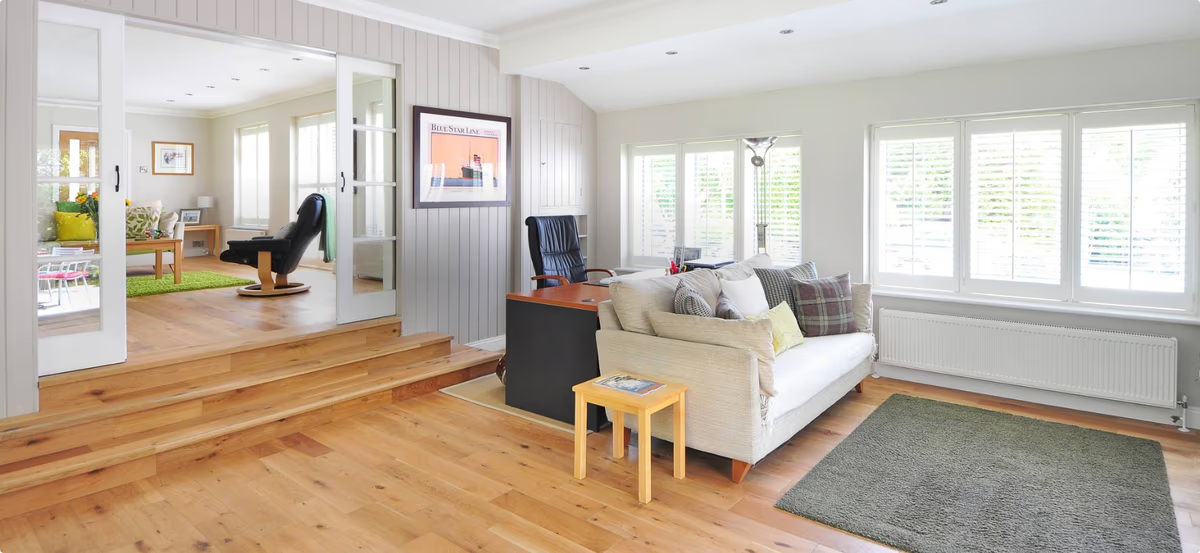
It is recommended to opt for neutral and soothing colors, as well as sober and elegant decorative elements. The objective is to create an environment where visitors feel comfortable and can easily envision themselves.
How to choose colors and furniture for home staging
The choice of colors and furniture is crucial in home staging, as they contribute to creating a harmonious and attractive atmosphere. Regarding colors, it is recommended to opt for neutral and soothing shades, such as off-white, beige, light gray, or taupe. These colors have the advantage of creating an impression of space and brightness, while offering a sober and elegant setting.
It is also possible to add touches of color through accessories or textiles to bring some warmth to the overall design. Regarding furniture, it is important to choose pieces suited to the size of spaces and their function. It is recommended to opt for proportionately sized furniture to avoid overcrowding rooms.
Furthermore, it is preferable to choose furniture with a sober and timeless design that easily integrates into different decorating styles. Finally, it is possible to add a few decorative elements to bring a personal touch to the spaces, while being careful not to overcrowd the overall design.
Staging outdoor spaces for better appeal
In home staging, one must not neglect staging outdoor spaces, as they contribute to making a positive first impression on visitors. It is therefore important to ensure that the garden or terrace is well-maintained and pleasant to look at. This can include trimming hedges, mowing the lawn, pruning trees and shrubs, and adding some plants or flowers to bring a touch of color.
Furthermore, it is recommended to enhance outdoor spaces by creating relaxation or dining areas. This can include adding garden furniture or a table with chairs on the terrace, or setting up a cozy corner in the garden. The objective is to show visitors the full potential of the outdoor spaces and allow them to easily envision themselves in these additional living areas.
Mistakes to avoid when home staging
In home staging, certain mistakes should be avoided to prevent compromising the effectiveness of the property's enhancement. First, it is important not to overcrowd spaces with too many objects or furniture. An abundance of elements can give an impression of clutter and reduce the sense of space.
It is therefore essential to create visual balance in each room. Furthermore, it is recommended to avoid overly personal decorations or those too marked by a particular style. Indeed, it is preferable to opt for sober and neutral decoration that can appeal to the widest audience.
Similarly, it is important to avoid major or costly renovation work, which might not be recouped by the sale of the property.
Working with a home staging professional
Our real estate agents are able to help you make your house or apartment more attractive. Trust us to optimize your photos and your real estate listing. Our advisors are here to guide you from A to Z!