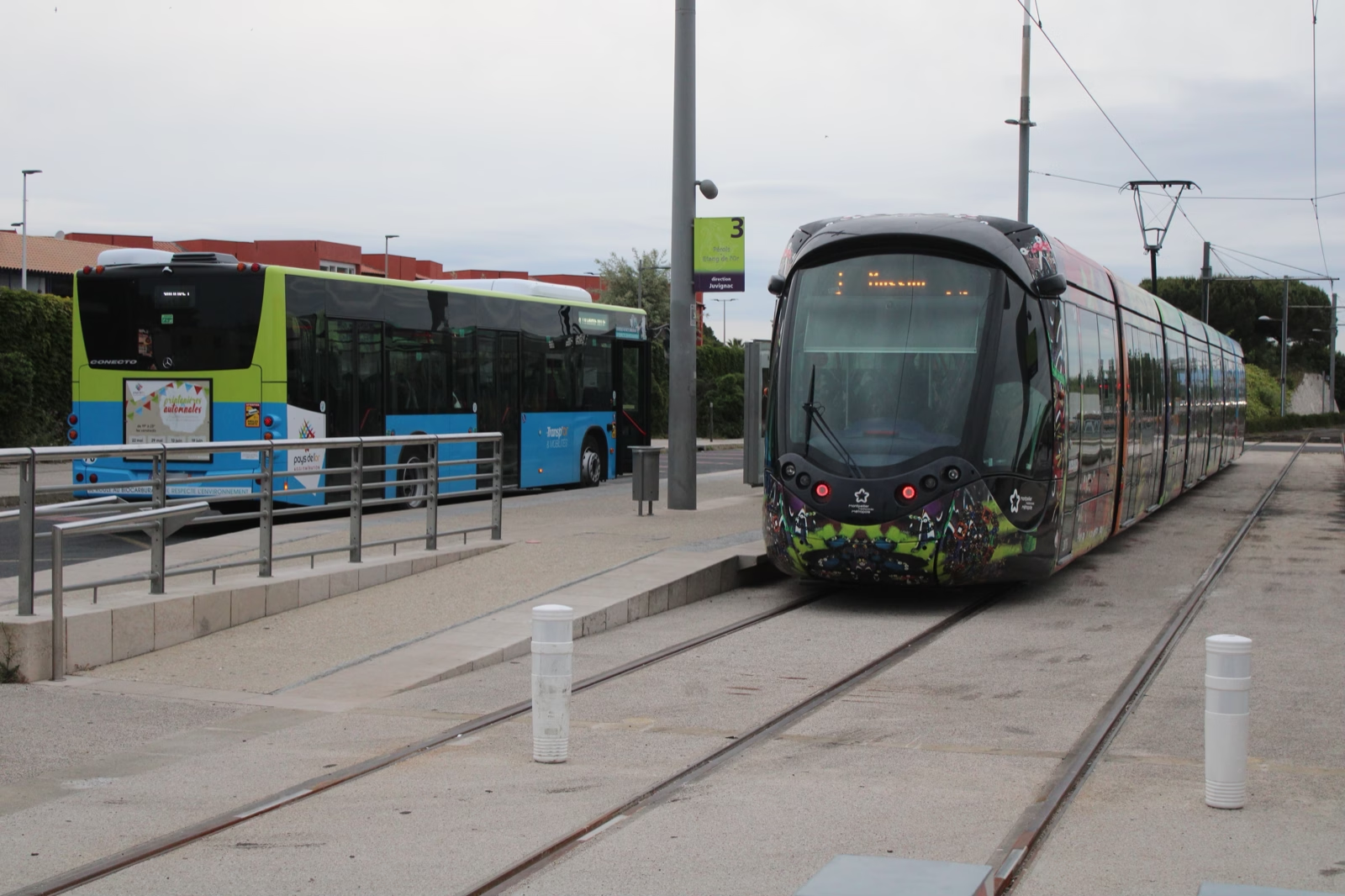
It has taken almost fifteen years. Since it opened in April 2012, line 3 of the Montpellier tram has stopped at Pérols Étang de l'Or, two kilometres from the airport runways and barely more from the Mediterranean. On 14 September 2026, Michaël Delafosse, president of Montpellier Méditerranée Métropole, and Stéphan Rossignol, president of the Agglomération du Pays de l'Or, signed a memorandum of intent: the tram will run to the terminal. For the beach, however, nothing changes.
For anyone who owns property in Pérols, Lattes or Mauguio, or is thinking of buying there, the date of the first tram ride to the airport matters less than what follows: what happens to home values and to the appeal of communes that have until now lived at the end of the line?
What was signed on 14 September
The memorandum provides for extending line 3 from the Écopôle stop in Pérols to Montpellier-Méditerranée airport, which lies within the commune of Mauguio. The chosen route follows the M172 and then avenue Jacqueline-Auriol, around 2 km of new track at an estimated cost of €70m.
Of the three options studied, this is the cheapest: a service via line 1 was costed at between €120m and €150m, and an extension to the coast at between €150m and €170m.
The project aims to:
- link the airport to Saint-Roch station in under 30 minutes;
- better connect the terminal with Sud de France station;
- serve an airport zone where some 10,000 people work.
Opening is targeted for 2032-2033, provided the technical and environmental studies are completed, a steering committee is convened and, above all, funding is secured with the State, the Region and the Department, which is by no means a given.
If the project goes ahead, the Montpellier tram will leave the Métropole's territory for the first time.
Why the airport, and why now
The airport handled 1,753,427 passengers in 2025, still below its 2019 record (1.93 million). Today, a traveller without a car has only two options: Hérault Transport's shuttle 120, which leaves from place de l'Europe and stops at Sud de France station in about 25 minutes, or a taxi. For a metropolitan area of this size, that is not much.
Employees in the airport zone are the first to be affected. Many live in Pérols, Lattes or Montpellier and drive in for lack of a reliable alternative.
The project has its critics. The Shifters Languedoc-Roussillon collective disputes the decarbonisation argument: in its view, making it easier to reach an airport that will emit 111,000 tonnes of CO2 in 2026 amounts to encouraging air travel rather than reducing it.
Still no tram to the sea
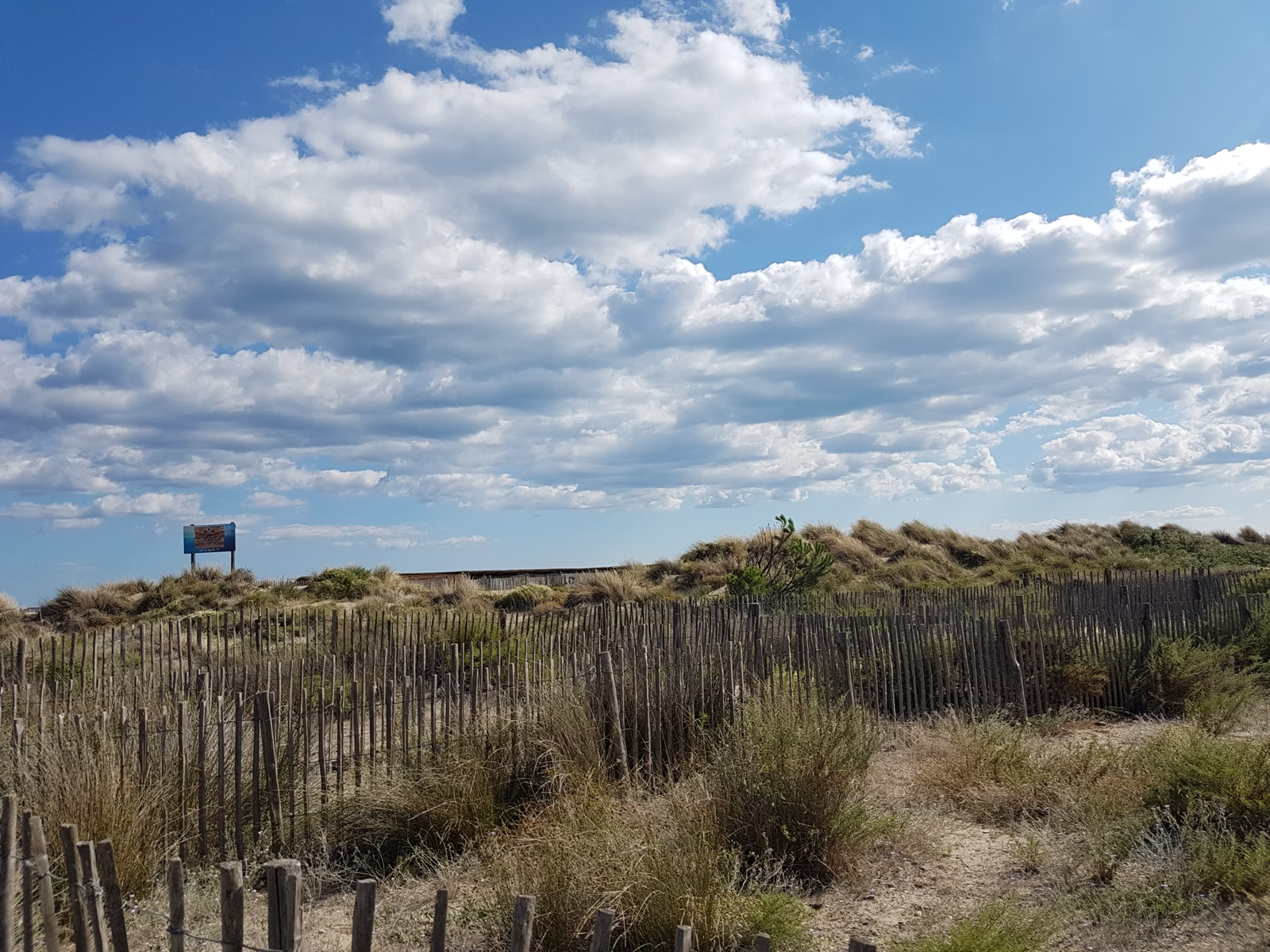
Since line 3 opened, an extension towards Palavas-les-Flots or Carnon has been raised several times, without ever coming to anything in the face of opposition from coastal mayors. The 14 September agreement changes nothing. Pierre-Martin Chazot, mayor of Mauguio-Carnon, was clear: a tram to the sea is out of the question. He also rules out a route through the centre of Mauguio and the creation of a park-and-ride, citing the protection of taxis and the preservation of farmland.
For Montpellier residents, then, the beach remains reachable by car, by bus from the terminus or by bike. On the coast, the choice is deliberate: preserving a certain exclusivity and limiting the summer influx.
What the tram changes for property
What the studies say
A tram line does affect property prices, though less mechanically than many articles suggest. Observations reported by the specialist press and by players such as AFEDIM point to an order of magnitude of +10 to 15% near stops. Yet the differences between cities are significant: in Strasbourg, the measured increase is closer to 5%. Studies by Cerema and the DREAL regional environment agencies found an effect in Le Mans and Angers, but no measurable effect around the Nantes Busway.
So the tram guarantees no capital gain. Above all, it adds value to properties within walking distance of a stop, in communes where a car had until then been essential.
Pérols: from terminus to through-town
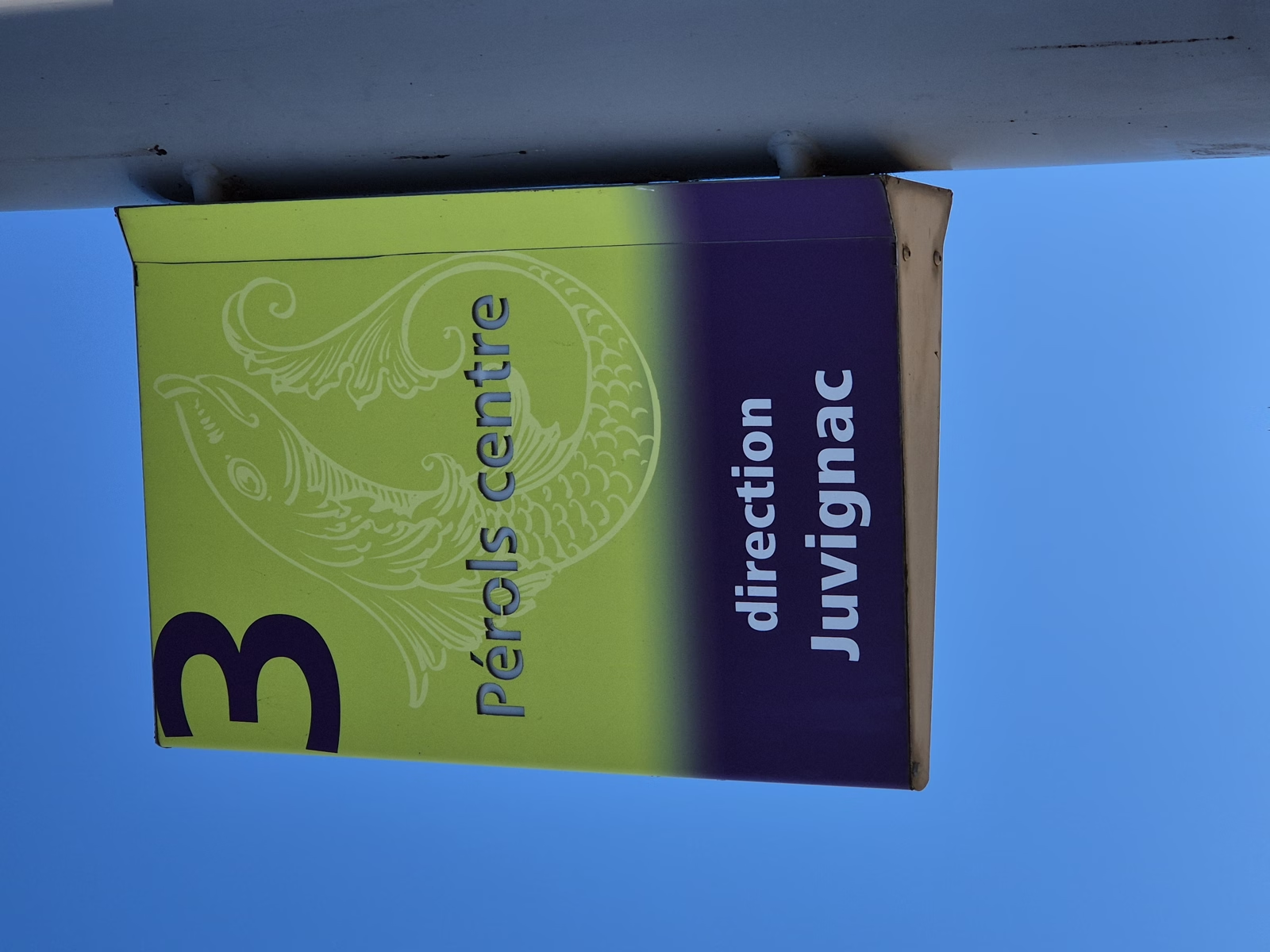
Pérols is the commune most directly concerned. It already has three stops (Parc Expo, Pérols Centre, Pérols Étang de l'Or), and the future branch will start from the Écopôle stop, on the edge of the commune.
According to our data, the average price is around €4,100/m², with marked variations: €4,500 to €5,000/m² for newer properties, €3,500/m² and below for older homes or outlying areas. Pérols residents already reach Montpellier by tram; the extension will mainly give them direct access to the airport and its employment area.
Near Écopôle or Parc Expo, a seller or landlord gains a selling point with employees of the airport zone and professionals who travel frequently. We do not, however, expect prices to soar, as the "tram premium" has largely been built into prices since 2012. The local market is covered in detail on our Pérols property page.
Lattes: an indirect effect
Lattes has been served by line 3 since 2012 (Boirargues, La Lironde, Lattes Centre). The extension does not change its network coverage, but it puts the commune a few stops from the airport, which adds to its appeal for mobile workers. The effect on prices should remain modest and concentrated in neighbourhoods close to the stops.
Mauguio and the airport zone
The commune of Mauguio will host the new terminus, but not its town centre, which the mayor refuses to have served. The market there is already expensive: early-2026 estimates put the average price at around €4,750/m², with a very wide range depending on the area, and in March 2026 Orpi recorded around €4,600/m² for houses and €5,300/m² for flats.
The terminus will be in a business zone, so the effect on housing in Mauguio itself should remain limited. The tram could, on the other hand, benefit commercial property and office developments around the airport.
Carnon and the coast: scarcity as a selling point
In Carnon, prices are around €4,600/m² according to efficity in September 2026 (about €4,730/m² for flats and €4,470/m² for houses). The lack of a tram does not really weigh on this market, which is driven by second homes and holiday lets. If anything, it sustains a kind of scarcity that some buyers look for.
The downside is well known: a coastline that is hard to reach without a car, which puts off some working people and students.
What we tell sellers and buyers
To sellers in Pérols or Lattes, we suggest mentioning the memorandum in the listing without using it to inflate the price. An informed buyer knows that an opening around 2032-2033, with funding not yet secured, remains a promise. A property near a stop already commands a premium, and the airport adds a modest extra advantage.
For a buyer, purchasing today near the future branch means betting on a six-to-seven-year horizon. The bet makes sense for a main residence or a long-term buy-to-let investment, much less so for a quick turnaround. Today, prices depend first and foremost on location, the quality of the property and proximity to existing stops.
We followed the same reasoning when tram line 5 arrived in the communes north of the city. For a broader view of the market, our guide to investing in Montpellier in 2026 covers the areas and yields in detail.
Frequently asked questions
When will the tram reach Montpellier airport?
Opening is targeted for 2032-2033. The technical and environmental studies have yet to be carried out and the funding has yet to be secured.
Which tram line will serve the airport?
Line 3, extended by around 2 km from the Écopôle stop in Pérols, via the M172 and avenue Jacqueline-Auriol.
Will the tram go to the beach at Carnon or Palavas?
No. The mayor of Mauguio-Carnon is opposed, and the coastal project, estimated at between €150m and €170m, was not chosen.
Does the tram push up property prices?
Often, but not always. Studies point to +5 to +15% near stops depending on the city, and some lines have had no measurable effect. In Pérols, the line has existed since 2012: most of the effect is already in the prices.
Do you have a project in Pérols, Lattes or Mauguio?
Thinking of selling and want to know what your property is worth in this new context? We offer a free valuation. Would you rather talk it over in person? Let's talk.
Sources
Photo credits
- Line 3 tram and Transp'Or bus at Pérols Étang de l'Or: Anthony Levrot, CC BY-SA 4.0, via Wikimedia Commons
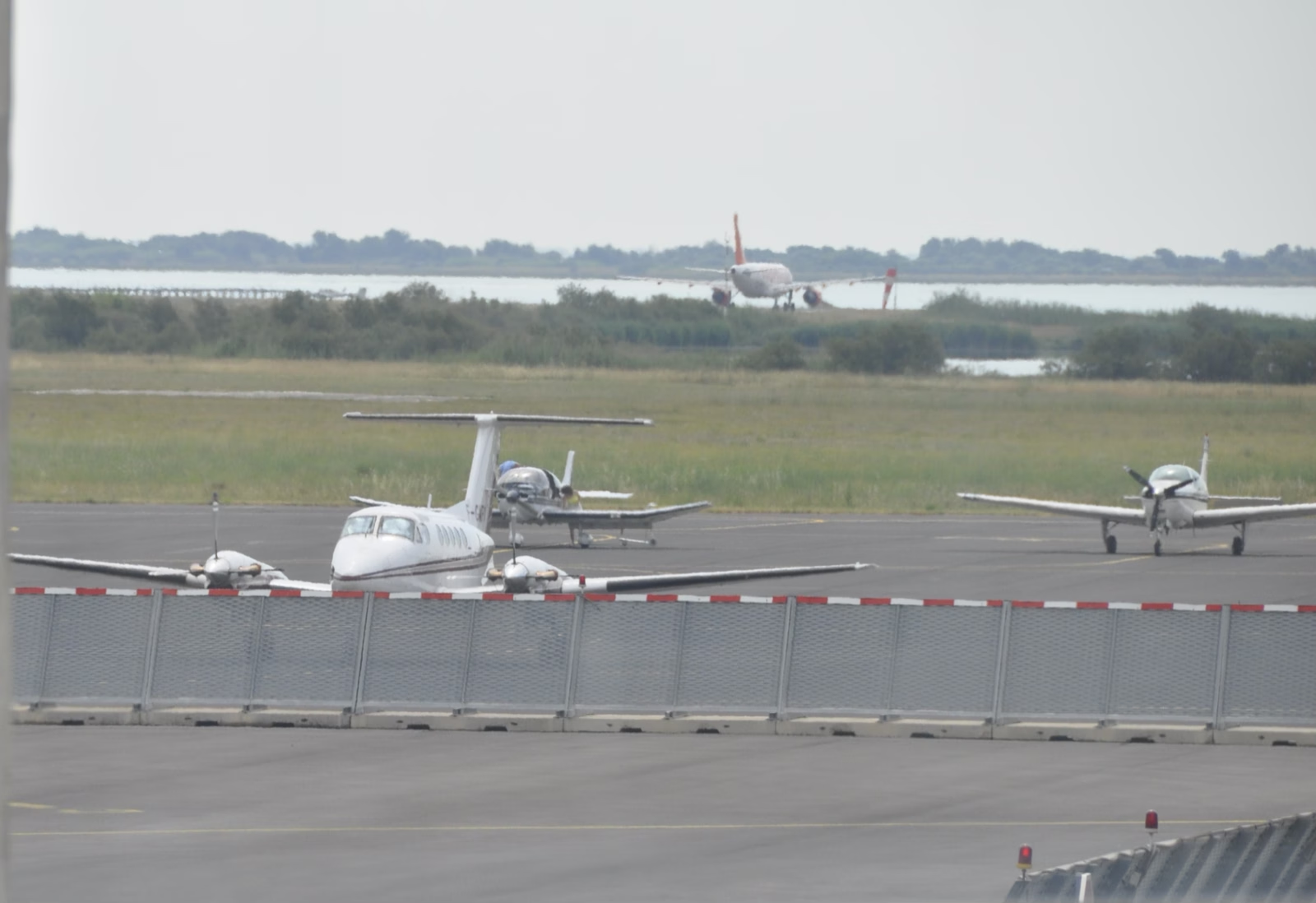
- Montpellier-Méditerranée airport: T. Thielemans, CC BY 3.0, via Wikimedia Commons
- Carnon beach: John Samuel, CC BY-SA 4.0, via Wikimedia Commons
- Pérols Centre stop: Pierre-Félix Vautrin, CC0, via Wikimedia Commons