
Discover everything you need to know about the tenant's right of first refusal when selling an occupied property, from the procedure to follow to the terms of purchase. This article explains the role of the notary, how to extinguish this right, and whether the purchase is made with or without real estate agency fees, in order to clarify this complex process for both tenants and landlords. Essential information to secure each step of the real estate transaction.
What is the tenant's right of first refusal? Definition and legal framework
Definition of the tenant's right of first refusal
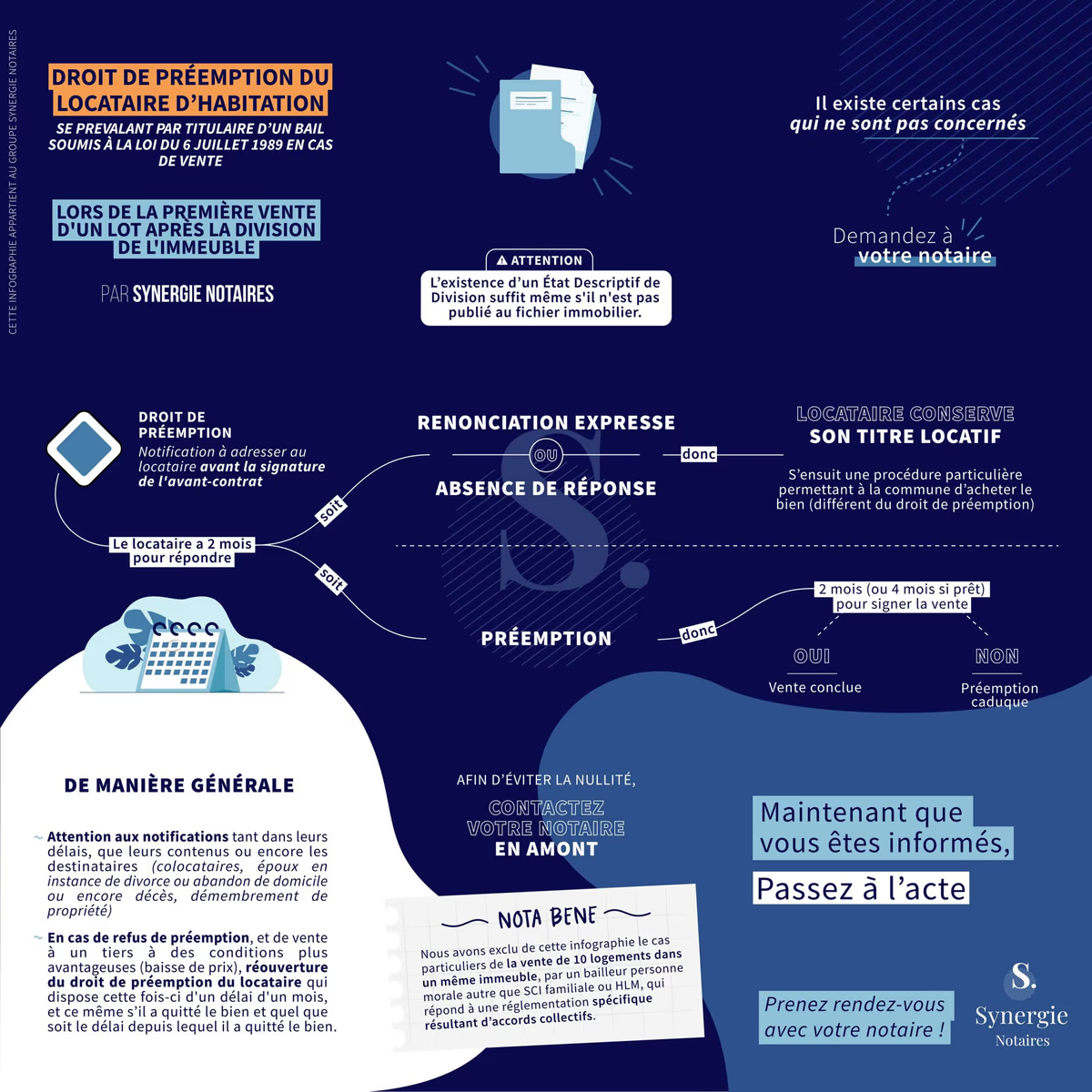
The tenant's right of first refusal is a right that allows them to acquire in priority a real estate property that their landlord wishes to sell, when it is occupied by a tenant. In other words, before any sale to a third party, the landlord must offer the property to the tenant, who has a period of time to make known their intention to buy. This right aims to protect the tenant against a rushed or unilateral sale.
Legal framework: articles of the Construction and Housing Code
This right is governed by several provisions of the Construction and Housing Code, notably in articles L. 213-1 to L. 213-5 but especially articles 15 II of the law of July 6, 1989. These articles specify notably the conditions under which the tenant can exercise their right of first refusal, the procedure to follow, as well as the terms for extinguishing this right. The law also provides for specific cases, such as sales in co-ownership or through a company, which may affect the exercise of the right.
Objectives and importance for the tenant and the landlord
For the tenant, this right constitutes protection against the loss of their housing or against a sale that could compromise their stability. For the landlord, respecting this procedure is essential to secure the transaction and avoid any future dispute. Proper management of the right of first refusal thus ensures a sale in compliance with the law, while preserving the relationship between tenant and landlord.
The procedure for exercising the right of first refusal when selling an occupied property
Preliminary steps before notification of sale
Before any action, the landlord must ensure that the property is free of any restriction or special condition that could affect the sale or the right of first refusal. They must also obtain an accurate estimate of the sale price, often carried out by a professional or notary, to determine the sale offer.
Notification by the landlord to the tenant: content and deadline
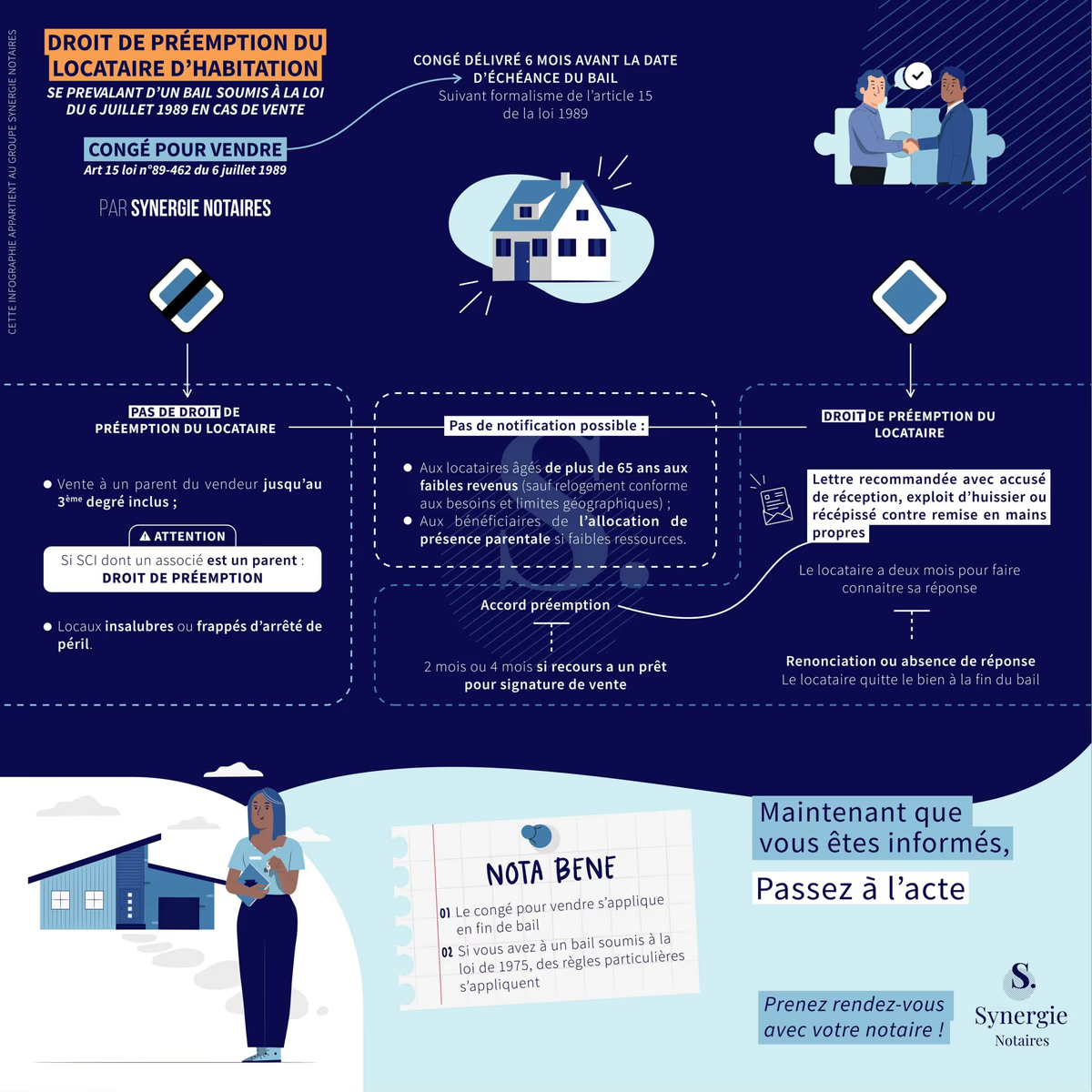
The landlord must notify the tenant of their intention to sell by registered letter with acknowledgment of receipt or hand delivery against receipt. This notification must contain:
-
A precise description of the property
-
The proposed sale price
-
The conditions of the sale
-
The deadline for exercising the right of first refusal (generally two months)
This document constitutes the official sale offer, to which the tenant may respond within the allotted time.
The tenant's response: deadline for exercising the right
The tenant has a period of two months from receipt of the notification to make known their decision. They must send their response by registered letter with acknowledgment of receipt or by hand delivery, expressing their intention to purchase or renounce their right. If exercising the right, they must also specify their payment terms.
Consequences if the tenant exercises or renounces their right
-
Exercise of the right: the landlord must sell the property to the tenant under the conditions stated in the notification. The transaction must comply with the procedure, notably the signing of the deed of sale at the notary's office.
-
Renunciation: if the tenant does not respond or refuses, the landlord may sell to a third party, subject to complying with the procedure for extinguishing the right of first refusal.
The notary's role in managing the right of first refusal
Drawing up the deed of sale in compliance with the right of first refusal
The notary intervenes to draw up the deed of sale in compliance with applicable legislation. They verify in particular that the procedure has been followed, that the tenant has been duly informed, and that the exercise of the right has been carried out within the time limits.
Verification of the exercise of the right by the tenant
The notary checks that the tenant has properly exercised their right within the allotted time, by verifying receipt of the registered letter or hand delivery. They also ensure that the price and terms of sale conform to the initial offer.
If the property is ultimately sold at a lower price, the notary then extinguishes the tenant's right of first refusal again in parallel with other statutory rights of first refusal.
Terms of purchase for the tenant and financial implications
Purchase with or without real estate agency fees?
If the sale is entrusted to an agency, the price to be offered depends on the fee structure provided for in the mandate. If the fees are at the charge of the seller, the notified price corresponds to the displayed sale price. If the fees are at the charge of the buyer, the offer must mention the price of the property as well as the amount of fees and their allocation. In any case, the total amount paid by the tenant cannot be higher than that required from a third party, on pain of calling into question the validity of the procedure.
Hand delivery or a registered letter to formalize the agreement.
Impact of the right of first refusal on the sale price
The right of first refusal may influence the price, particularly if the tenant wishes to negotiate a reduction or if the price proposed by the landlord is disputed. Transparency and communication are essential to avoid any dispute.
Special cases: purchase in co-ownership or through a company
In the case of a purchase in co-ownership or by a company, special terms apply, particularly in terms of share management or compliance with bylaws. It is advisable to consult a notary to secure these transactions.
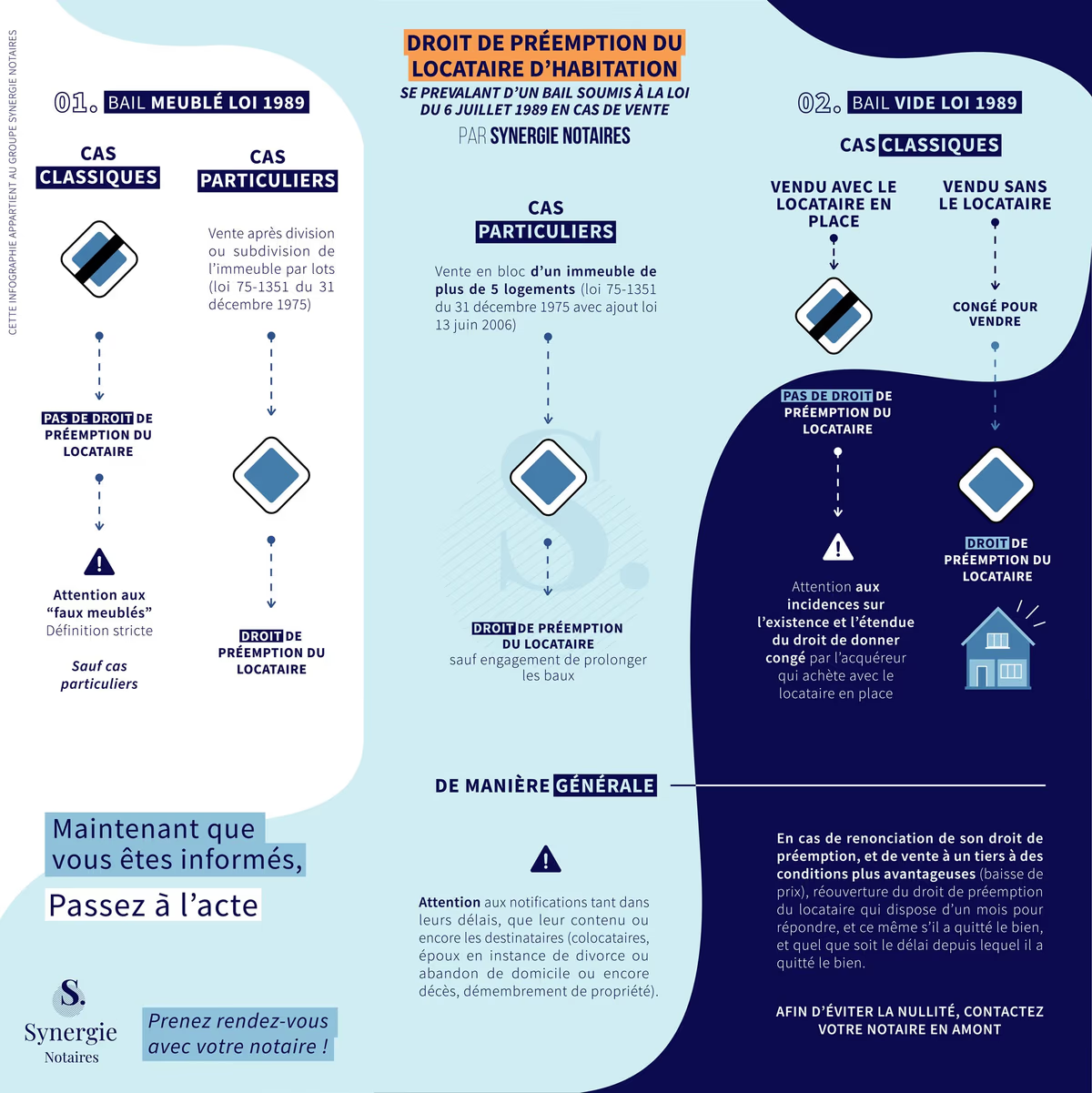
Eligible lease type
The right of first refusal must only be extinguished in the context of an "unfurnished" rental and for a residential lease that would constitute the tenant's principal residence. In the case of a rental with a furnished lease, contrary to what is often read, the landlord has no obligation to offer the property for purchase to their tenants.
On the other hand, whether in a furnished or unfurnished lease, the tenant may continue to use the property until the expiration of the lease and will of course not be required to vacate the premises before its end - except by express agreement between the parties. It is sometimes customary for financial compensation to be granted by the landlord in exchange for early departure if the landlord is eager to sell.
Practical advice for tenants and landlords
For the tenant: how to effectively exercise their right of first refusal
-
React quickly upon receipt of the notification
-
Verify the content and compliance of the sale offer
-
Send the response by registered letter with acknowledgment of receipt or hand delivery
For the landlord: steps to respect the procedure and secure the sale
-
Strictly comply with the notification procedure
-
Use a registered letter with acknowledgment of receipt or hand delivery
-
Set a clear deadline for the exercise of the right of first refusal
For more information, consult the Government website.