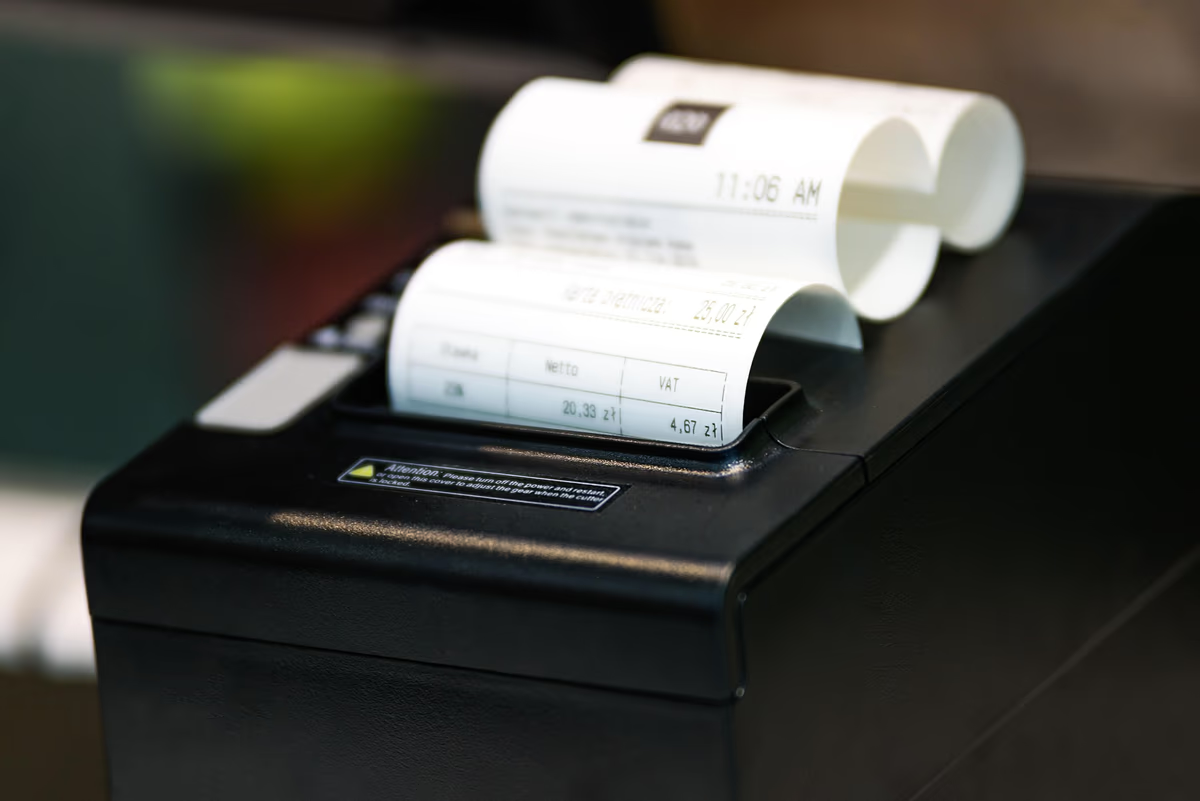
Introduction to the electronic invoicing reform in 2026
Context and objectives of the tax reform
For several years, the General Directorate of Public Finances (DGFiP) has been engaged in a process of modernization and simplification of tax obligations for businesses and individuals. The electronic invoicing reform, scheduled to come into force at the end of 2026, is part of this dynamic. Its main objective is to make VAT collection more efficient, transparent, and less subject to fraud. By imposing the dematerialization of invoices, the administration also wishes to promote the digitalization of real estate asset managers, particularly SCI (Civil Real Estate Company) and LMNP (Non-Professional Furnished Landlord) owners.
Importance for SCI and LMNP owners
For SCI and LMNP owners, this reform represents a major change in their daily management. Secure electronic invoicing must now become an essential step for issuing and receiving invoices, whether for rent, charges, or ancillary services. Compliance with this new regulation is essential to avoid any penalties or financial sanctions. Mastering this digital transition will also make property management simpler while ensuring optimal tax compliance.
Risks and sanctions in case of non-compliance
Non-compliance with obligations related to the electronic invoicing reform can result in financial sanctions of up to 1000 euros in fines + a penalty per non-compliant invoice. Beyond the financial aspect, non-compliance also exposes to legal and tax risks, such as reassessments or administrative penalties. It is therefore crucial for SCI and LMNP owners to prepare effectively to ensure their compliance and avoid these costly sanctions.
What are the legal obligations for SCIs and LMNPs regarding electronic invoicing?
Definition and scope of electronic invoicing
Electronic invoicing consists of the issuance, transmission, and receipt of invoices in digital format, via a platform approved by the tax administration. It gradually replaces paper invoicing or unsecured PDFs. The reform requires VAT-liable entities, particularly SCIs and LMNPs liable for VAT, to use an approved platform (PA) to guarantee the integrity, security, and traceability of electronic invoices, such as electronic rent or charge invoices.
In summary, if you do not collect VAT, you are not (yet) subject to this reform.
Key dates and deadlines for compliance
The electronic invoicing reform schedule provides for several stages, with progressive obligations for different types of VAT-liable entities. From 2024 onwards, certain sectors began to comply, while generalization for all VAT-liable entities, including SCI and LMNP owners, is planned for 2026. It is essential to follow the electronic invoicing reform schedule to anticipate each stage and meet deadlines.
Specific requirements for SCIs and LMNPs
SCIs, particularly those operating within the framework of a rental or asset management activity, must ensure they use an approved PA platform to issue their electronic invoices. LMNPs, as VAT-liable entities in certain cases, must also comply with these obligations, particularly for invoicing rent or services. The reform also requires secure storage of electronic invoices, their transmission in a compliant format, and the ability to transmit them to the administration in case of audit.
Types of documents concerned (invoices, credit notes, etc.)
In addition to standard invoices, the reform also concerns credit notes, credits, and other electronic accounting documents. Compliance concerns all commercial operations related to real estate management, whether for rent, charges, or ancillary services.
Conditions for issuing and receiving electronic invoices
Invoices must be issued via an approved platform, guaranteeing their authenticity, integrity, and readability. Receipt must also take place electronically, with secure storage. The approved PA platform must ensure traceability and document retention, in accordance with applicable regulations.
How to prepare for electronic invoicing
Choosing electronic invoicing software or a platform
It is essential to choose an approved platform (PA) to ensure compliance with the invoicing reform. Several solutions exist, ranging from free software to paid solutions, often integrating advanced features such as integration with accounting or asset management. Some accounting firms also offer secure electronic invoicing services, facilitating the transition.
Integration with accounting and asset management
For efficient management, it is advisable to integrate the electronic invoicing platform with your accounting software or asset management system. This makes it possible to automate the issuance, receipt, and retention of invoices, while ensuring full compliance with regulations.
Security and retention of digital documents
The security of electronic invoices is essential. Use an approved PA platform that guarantees the authenticity and integrity of documents. Retention must comply with a minimum period of 6 years, in a secure digital format, in accordance with the requirements of the reform.
Training and staff awareness
It is advisable to train your teams or your accounting firm on the use of electronic invoicing tools. Raising awareness of security and compliance issues will help avoid errors and ensure smooth management.
Verification of compliance with tax regulations
Before implementation, verify that your electronic invoicing software or platform complies with the reform requirements. Consulting a specialized consulting firm or certified public accountant can prove wise to ensure full compliance.
What are the sanctions for non-compliance and how to avoid them?
Amount of financial sanctions of up to 1000 euros
Non-compliance with electronic invoicing obligations can result in financial sanctions of up to 1000 euros per violation. These sanctions are provided for by regulations and may be applied in case of issuance or receipt of non-compliant invoices, or lack of digital retention.
To reduce the bill a bit, think about checking accounting software referral sites!
Legal and tax risks related to non-compliance
Beyond financial sanctions, non-compliance exposes to legal risks, such as tax reassessments, penalties, or enhanced audits. Loss of credibility with the tax administration can also complicate future management of your real estate portfolio.
Strategies to anticipate and correct any errors
To avoid these risks, it is advisable to establish an action plan now: choose an approved platform, train your teams, verify the compliance of your processes, and conduct regular audits. In case of error, prompt correction and documentation of steps taken are essential.
Advice for staying current with regulatory changes
The evolution of the electronic invoicing reform requires regular monitoring. Subscribe to official newsletters, consult the DGFiP website, or call on an accounting firm to stay informed of new developments and adjust your management accordingly.
Importance of professional support (certified public accountant, tax attorney)
Support from a professional specialized in real estate taxation or digital asset management is highly recommended. These experts will guide you through compliance, optimize your management, and anticipate any potential sanctions.
Conclusion
Benefits of a controlled digital transition
Adopting secure electronic invoicing makes it possible to simplify the management of your real estate portfolio, ensure sustainable tax compliance, and reduce the risk of errors or penalties. Mastering this digital transition is a strategic advantage for SCI and LMNP owners.
Maintaining management freedom while respecting regulations
It is possible to reconcile management freedom and regulatory compliance by relying on appropriate tools, such as free electronic invoicing software or an approved PA platform, in collaboration with an accounting firm or tax attorney.
Prepare now to avoid sanctions
Do not let the tax administration take control of your real estate portfolio. Anticipate now by choosing an approved platform, training your teams, and verifying your compliance with the electronic invoicing reform schedule.
Resources and contacts to support compliance
To support you in this process, consult official resources on the DGFiP website, or contact an accounting firm specializing in digital asset management. Tools such as free electronic invoicing software or approved PA platforms can also facilitate your transition.